Access, entries & support
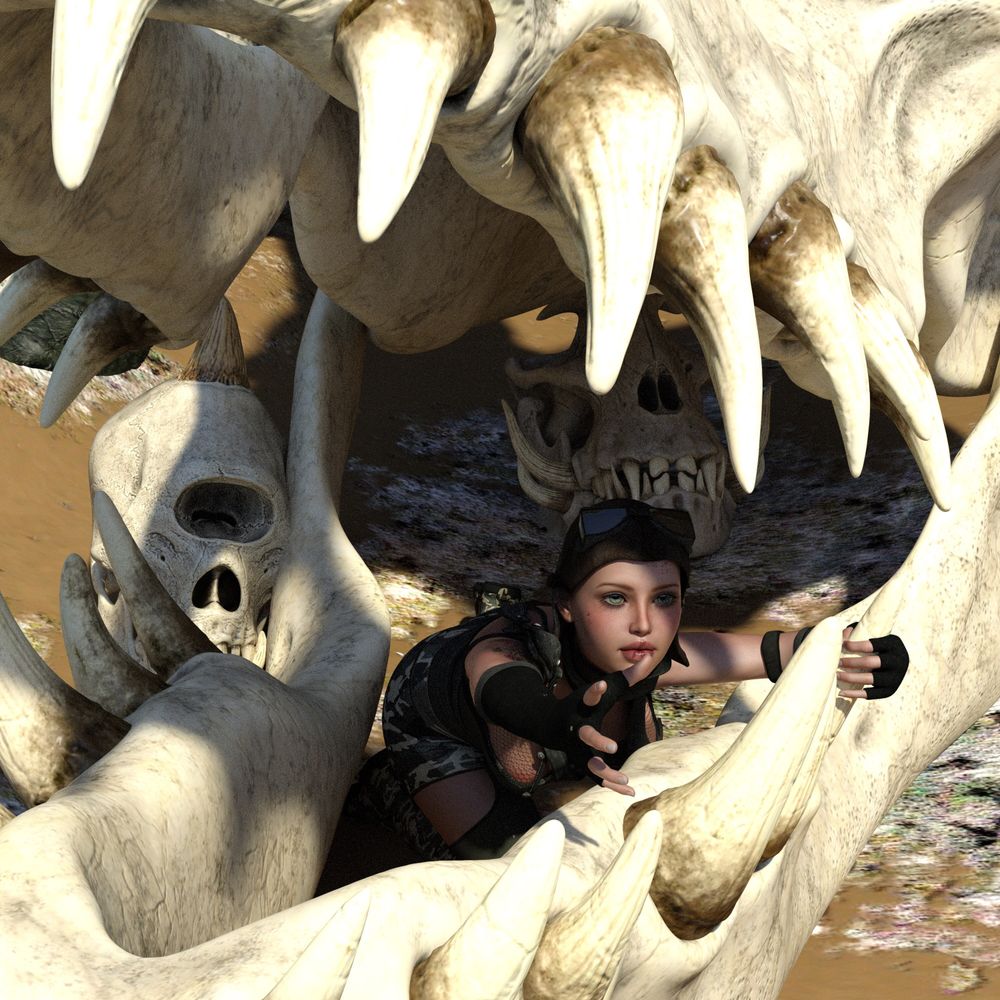
Developing entries and haulage routes, installing supports and keeping routes clear enough for machines and people to move safely. [web:147]
ROHIT VISHWKARMA focuses on structured underground coal mining – combining practical experience, equipment discipline and on‑site supervision in hard coal environments. [web:139][web:145]

From access to extraction, work is broken into clear stages so people, machines and material movements do not conflict. [web:139][web:144]
Developing entries and haulage routes, installing supports and keeping routes clear enough for machines and people to move safely. [web:147]

Managing sequences for cutting, loading and haulage so coal moves smoothly from face to belt to surface. [web:139][web:144]
On‑site supervision for inspections, communication and adherence to basic safety routines for crews underground. [web:140][web:145]
Observations often mention predictable work habits, attention to ground conditions and clarity in day‑to‑day communication. [web:140]
“Shift plans were simple to understand. Crews knew which panels to touch, and updates on support and equipment issues reached surface quickly.”




Based out of WARD NO 10 LINK ROAD in Katni, we focus on hard coal environments where depth, rock and equipment leave little room for guesswork.
ROHIT VISHWKARMA centres work around stable underground routines – routes, checks, equipment and people assignments – so each shift can move with fewer surprises. [web:139][web:147]
In hard coal operations, we pay attention to details that are easy to skip but costly to ignore: support, ventilation feel, water presence, communication and the gap between plan and what the face actually allows.
The goal is not only tonnes, but also being able to start the next shift on time with clear information about ground, equipment and what remains to be done.
Roles on and around the face are defined so that supervision, communication and support work stay visible. [web:139]

Keeps a close watch on ground behaviour, equipment positions and crew spacing, and reports back shift‑wise.

Handles cutting, support setting, loading and housekeeping so belts and travel‑ways stay as clear as possible.
Work can be structured by panel, shift or defined work packages, depending on the operation’s needs and approvals. [web:139][web:144]

Creation and maintenance of drifts and entries for access and haulage, with attention to support patterns and clear travel‑ways. [web:147]

Coordinated cutting, loading and transfer operations using approved equipment, with shift plans aligned to actual ground response. [web:139][web:144]
Support around belts and haulage routes – cleaning, minor alignment and coordination so coal flow interruptions are reduced. [web:139]
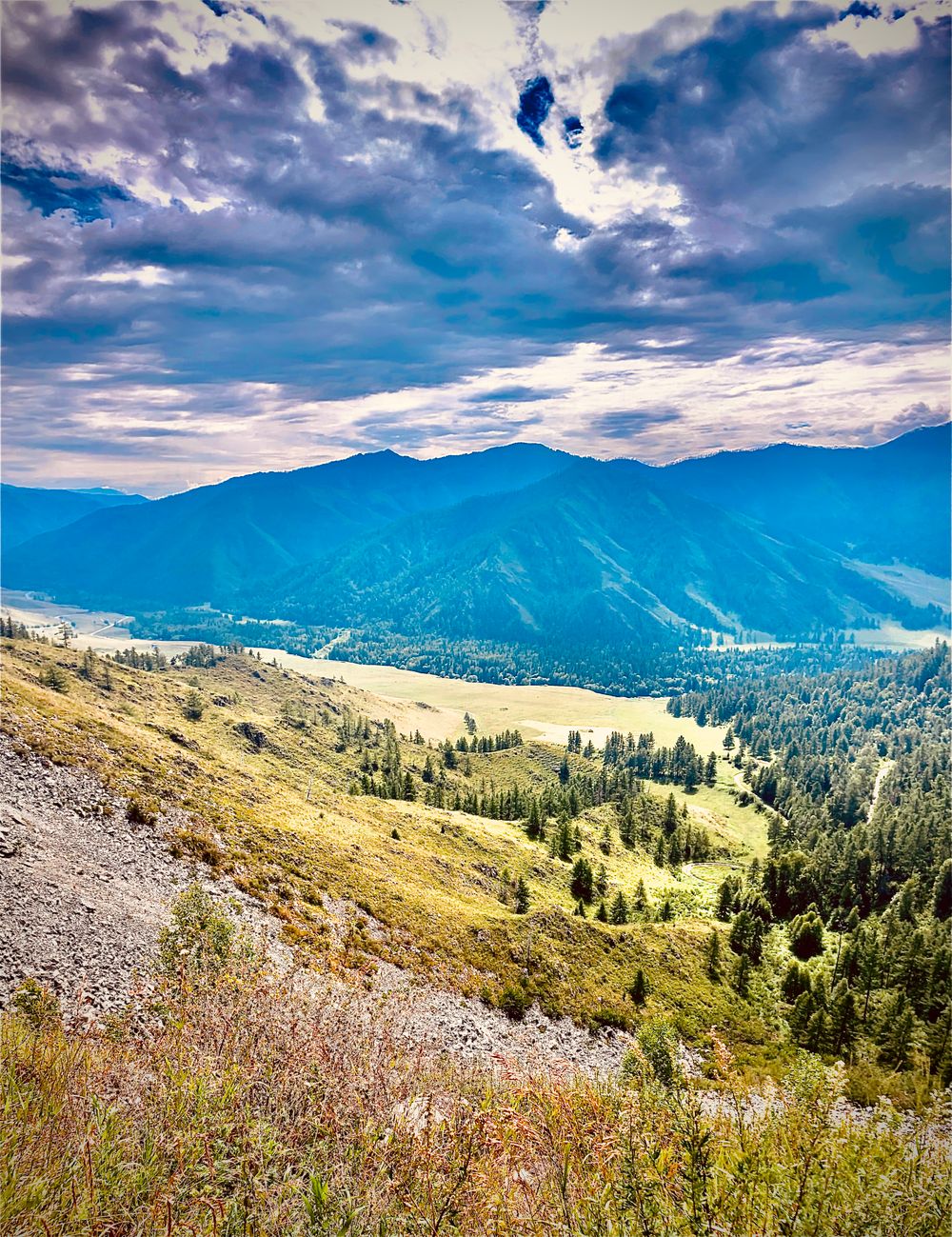
Routine checks of supports, roof conditions and travel‑ways in line with local instructions and supervisory directions. [web:145][web:147]

Supporting toolbox‑style briefings and end‑of‑shift notes so crews understand priorities, hazards and outstanding work. [web:139]

Simple reporting of tonnage, delays, ground issues and equipment constraints to help plan upcoming shifts. [web:139]
These images represent typical conditions in hard coal operations – from entries to active faces and haulage. [web:139][web:145]






Simple learnings that help crews and planners align better on what actually happens at the face and along the belt. [web:139]
Why repeating a few simple checks at the same time each shift makes a visible difference over weeks. [web:145]

How listening to what ground and equipment allow prevents unrealistic daily expectations. [web:139]
A simple pattern for passing information between crews so fewer tasks get half done or duplicated. [web:139]
Partners and supervisors share how they experience work habits, communication and consistency underground. [web:140]
“Shift‑wise information was reliable. When conditions changed, we were told directly instead of finding out later.”
“Housekeeping along belts and travel‑ways was noticeably better, which helped reduce delays.”
“They respected the chain of command and still raised concerns early when something felt unsafe.”
“Targets were approached steadily instead of rushing on some shifts and falling behind on others.”
“Crews knew their roles, and new workers were supported instead of being left alone at the face.”
“Reports highlighted delays honestly, so root causes could be fixed, not hidden.”
Provide a few details and we will connect to understand your operation, depth, conditions and timelines.
